 20 Mar 2026
Tags: Luxury Travel, Sustainable Travel, beach holidays, Luxury resort, Greece, Byron Bay, Vietnam, Cambodia

At Elements of Byron – Byron's only luxury beachfront resort – the advantage is Belongil Beach, but the real story is how much effort goes into keeping it that way. The resort works closely with its coastal environment, supporting dune stability, protecting native vegetation and helping ensure this entire stretch of shoreline isn't eroded into something it can't recover from.
Elevated walkways keep foot traffic off sensitive areas, while lighting is deliberately subdued to minimise disruption to wildlife, including nesting and nocturnal species that rely on the beach behaving like a beach.
There's also an element (excuse the pun) of participation, where guests are encouraged to enjoy the setting and become part of how it's cared for – whether that's through low-impact access, nature-led experiences, or simply moving through the environment with a bit more awareness.
Zannier Bãi San Hô, Vietnam
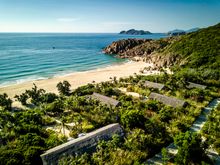
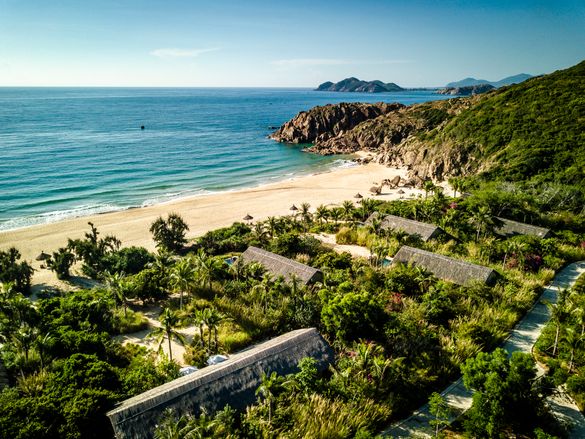
At Zannier Bãi San Hô, the name (“bay of corals”) says it all, but what matters is what's being done to ensure that stays true. In partnership with SASA Marine Animals Rescue Center, the resort is actively working on the long-term protection and restoration of the surrounding coral reef, starting with ecological surveys and continuing through reef management and rehabilitation.
That work includes targeted reef clean-ups, the removal of invasive species such as crown-of-thorns starfish, and the replanting of coral fragments to support reef growth and biodiversity. The bay itself is a functioning marine environment, with both soft and hard corals contributing to a reef system that is visibly being strengthened over time.
Vietnam isn't known for snorkelling, which is precisely why this matters. The bay itself is naturally sheltered, meaning calmer water, better visibility, and the rare chance to watch a reef system regenerate in real time.
Gundari, Greece
At Gundari Resort, sustainability shows up as restraint. The island of Folegandros has avoided large-scale coastal development, and Gundari leans into that by keeping access to the water deliberately low impact. No reshaped beaches, no imported sand, just raw coastline and small, hard-to-reach coves where the water clarity comes from the absence of interference.
Even the act of getting to the water limits foot traffic, which, in turn, helps protect the coastline better than any intervention could. It's a setting that works because it's been allowed to stay as it is.
Daios Cove, Greece
Daios Cove is defined by the cove it sits within – a naturally sheltered pocket of coastline on Crete that feels almost self-contained. The beach here isn't incidental; it's supported year-round through considered care and ongoing management, ensuring the sand, water quality and surrounding environment remain as pristine as possible. The geography does a lot of the work, with the cove naturally protecting the shoreline, creating calm, swimmable water and a more controlled environment that reduces pressure on the beach over time. The result is a pristine stretch that feels private, protected, and consistently well maintained, without ever needing to be over-engineered into existence.
Song Saa Private Island, Cambodia
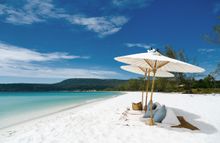
At Song Saa Private Island, the beach is part of what makes it one of the most recognisable coastal environments in Cambodia – those soft, white sand beaches framed by clear, shallow water and dense tropical vegetation. It's the kind of setting that looks untouched because, in many ways, it's been carefully kept that way.
The surrounding marine reserve protects the waters through strict no-fishing zones, allowing coral systems to regenerate and marine life to thrive, which in turn keeps the water clean, clear and alive. Waste systems are designed to prevent runoff, moorings are carefully managed to avoid damaging the seabed, and coastal vegetation is protected to help maintain the integrity of the shoreline. Guests experience it as part of that same ecosystem: swimming, snorkelling and simply spending time on the beach becomes a way of engaging with a coastline that is both beautiful and actively maintained.
Gili Lankanfushi, Maldives
At Gili Lankanfushi, the island is given permission to act like an island. Sandbanks shift with the tide, reshaping the shoreline throughout the day, while conservation efforts focus on reef protection and responsible interaction with the marine environment. The guest experience is intentionally light touch. Barefoot living isn't just aesthetic; it reduces impact. Snorkelling is encouraged, but in a way that prioritises the protection of coral systems, reinforcing the idea that the best beaches aren't managed into submission, they're allowed to function as they naturally should.
Mafu Haus, Mozambique
Mafu Haus sits along the Mozambique Channel, where the coastline is less curated and more in conversation with its surroundings. Seasonal currents bring nutrient-rich waters, supporting marine life that includes dolphins, whales and manta rays, while the sand and vegetation remain in their natural, unmanicured state. There's very little separating guests from the environment here, and that's the point. The beach hasn't been reshaped to fit a tourism brief; it's been allowed to remain as it is, which is increasingly rare, and increasingly valuable.