 19 Mar 2026
Tags: #VisitMS, #matogrossodosul, #brazil, #pantanal, #womenownedbusinesses, #womeninscience, #sustainability

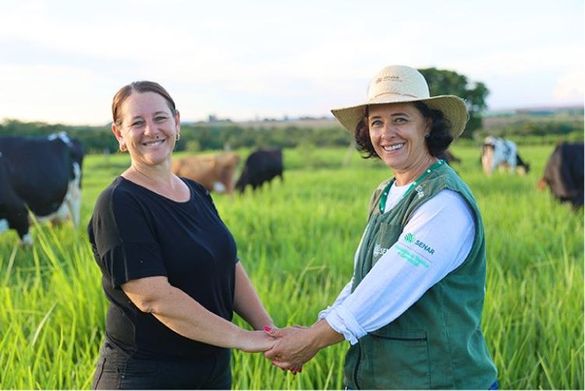
Washigton DC, US - (March 18, 2026 ) - GVA today announces a new 2026 spotlight on how women have been taking on prominent roles In Mato Grosso do Sul, women have been standing out and taking leadership roles in sustainability, environmental and tourism projects, contributing to the preservation of biodiversity and the sustainable development of the region.
In a state known for its environmental richness and internationally recognized ecotourism destinations, female leadership has been driving initiatives that combine science, conservation and environmental education.
In biomes such as the Pantanal and the Cerrado, researchers, managers and activists have led initiatives focused on wildlife protection, environmental education and the strengthening of local communities.
One of the most well-known examples is the work of biologist Neiva Guedes, founder of the Instituto Arara Azul (Blue Macaw Institute), which is a global reference in the conservation of the species. Since the late 1980s, the researcher has led studies and monitoring initiatives in the Pantanal, contributing to expanding scientific knowledge and supporting the recovery of endangered animals.
Another prominent example of female leadership is researcher Patrícia Medici, coordinator of the National Initiative for the Conservation of the Brazilian Tapir (INCAB). With projects developed in the Pantanal and in the Cerrado region of Mato Grosso do Sul, she received the international Women of Discovery Award for her pioneering work in wildlife conservation.
Beyond science and environmental management, civil society initiatives also highlight women's leadership in the conservation of the Pantanal. Projects such as the Chalana Esperança collective, led by biologist Luciana Leite, mobilize women in the region to carry out wildlife protection actions, environmental education initiatives and support for communities affected by extreme climate events.
These initiatives demonstrate how female leadership has helped strengthen the environmental agenda in the state. When science, social participation and biodiversity conservation are integrated, these women expand the reach of projects aimed at protecting Brazilian biomes and promoting sustainable development.
In Mato Grosso do Sul, the growing presence of women in leadership roles and conservation projects reflects an important transformation in the environmental sector. More than recognition, these initiatives reinforce the role of women as key actors in building solutions to global challenges such as biodiversity loss and climate change.
🔸Learn more: Official Mato Grosso do Sul Website
🔸 Instagram: Mato Grosso do Sul
For additional information, contact:
🔹 Gisele Abrahao - gisele@globalvisionaccess.com
🔹 Anna Cecilia Santos - anna.cecilia@globalvisionaccess.com